Category: Articles

  • First-Ever Cruelty Investigation into an Organic Dairy Farm

    First-Ever Cruelty Investigation into an Organic Dairy Farm

    The term “organic” may make the consumer think the milk came from a happy cow, but Animal Recovery Mission’s latest investigation proves no dairy is cruelty-free.
    Animal Recovery Mission

    Animal Recovery Mission’s (ARM) investigation at Natural Prairie Dairy stands as the first-ever cruelty investigation into an organic dairy farm in the United States, and the third installment of the largest dairy investigation of all time into Fairlife and Select Milk Producers, Inc. The first two investigations released by ARM were Operation Fair Oaks Farms and Operation Fairlife.

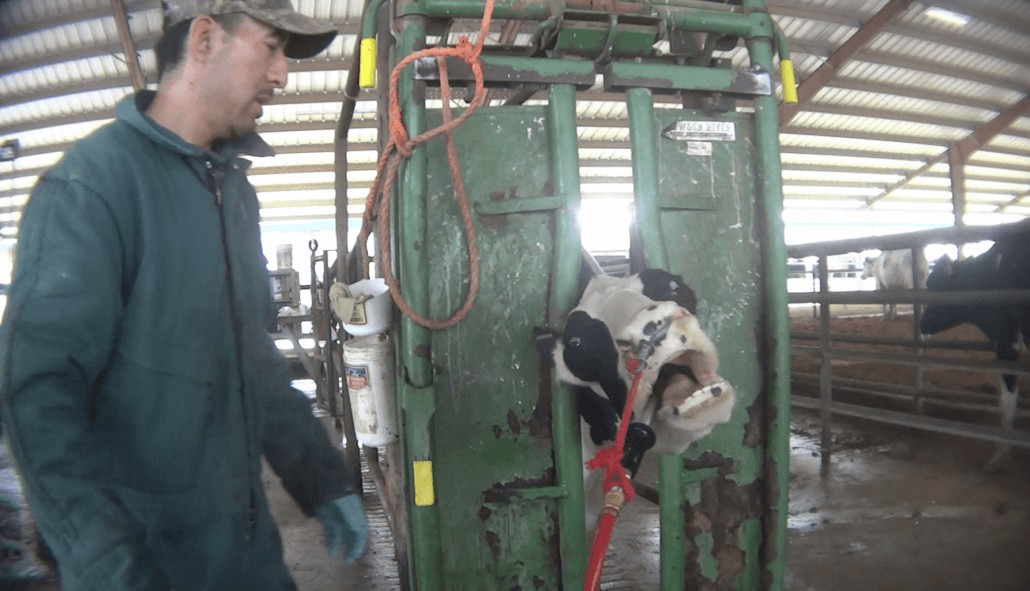
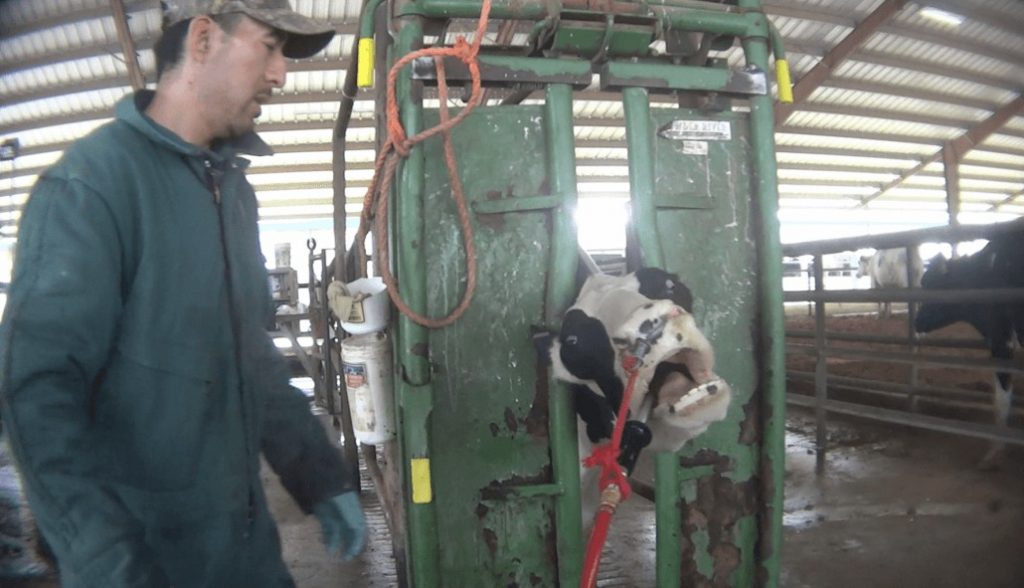
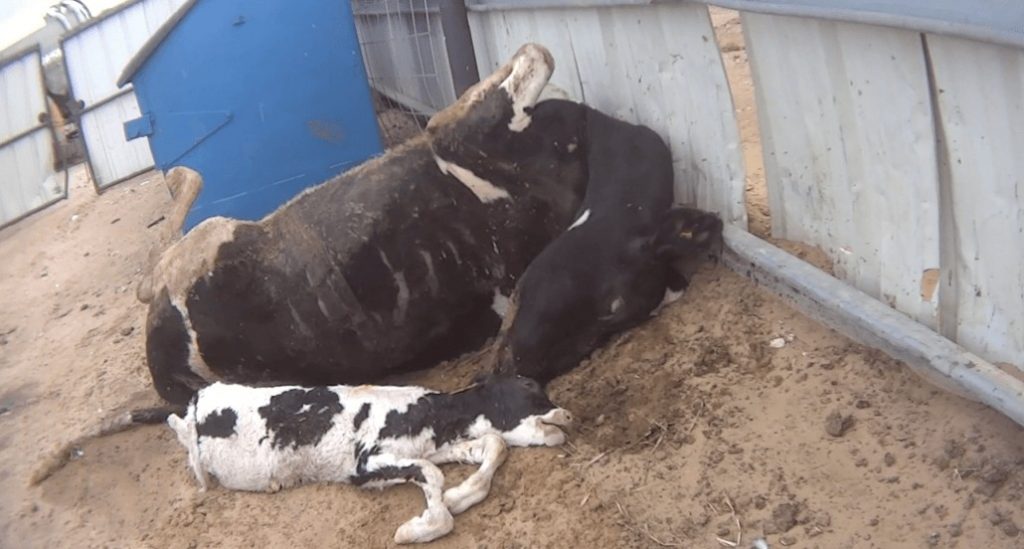
    Natural Prairie Dairy is located in Channing, TX, and houses over 25,000 cows between its four locations. Over four months, an ARM investigator documented cows stabbed with screwdrivers, kicked and dragged when unable to stand due to illness and fatigue. Cows were repeatedly and violently inseminated and mother cows were witnessed being chased while giving birth, and the babies immediately ripped away from their mothers.

    The following video footage was compiled by the ARM investigative team between March and July 2019. The farm is still open for business today.

    People concerned with buying organic dairy products are being deceived by the animal agriculture industry about the realities of how their food is being produced and the companies they support, which ARM documented and exposed during its latest four-month investigation.

    Organic dairies, such as Natural Prairie Dairy, are often viewed by consumers and the public as naturally more humane and ethical than non-organic farms. But just because a farm calls itself “organic” does not mean it’s cruelty-free. In most cases, the term “organic” serves a very different purpose, one that has nothing to do with the humane and ethical treatment of animals.

    Consumers pay top dollar for organic milk and dairy products, compared to conventional products, and they justify making such expensive purchases because the products are supposedly better for their health, the environment, and for the animals.

    On organic milk labels, dairy companies reinforce this message, showing images of cows smiling and grazing in green pastures. That could not be further from the truth. Do these cows look happy to you?
    Animal Recovery Mission

    The following evidence was compiled by undercover ARM investigators at Natural Prairie Dairy over four months. Investigators who return to the farm – or any farm like it – will witness similar acts of cruelty.

    Cows are removed from their holding barns every eight hours to be milked, day and night. It is important to note that Natural Prairie Dairy is equipped with camera surveillance and that the actions of employees are recorded and overseen by management. As the company states on its website, all Natural Prairie Dairy employees receive training in “animal welfare and handling before they begin work on the farm.”

    “Unfortunately, [Natural Prairie] failed to deter and/or stop the systemic cruelty, torment, and squalid living conditions suffered by the cows,” ARM stated in the Operation Natural Prairie report.

    Natural Prairie Dairy promises to “take care of the cow” on its website. “A sustainable farm ecosystem means giving our cows the very best care.” In light of the farm’s commitment to animal welfare, the ARM investigator witnessed extreme and violent animal cruelty within the first few hours of employment.

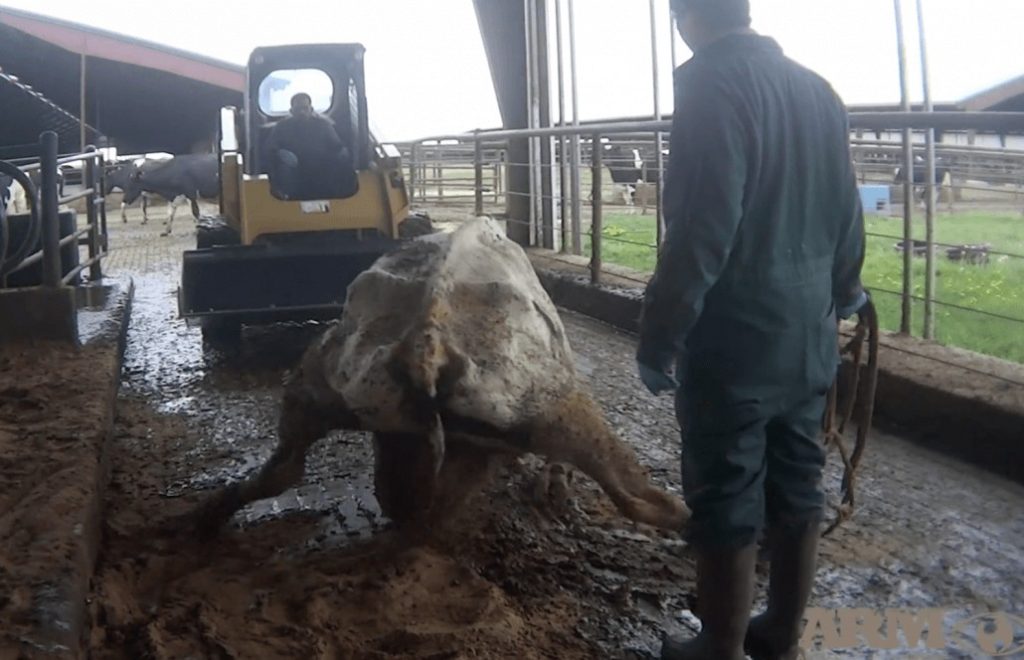
    Daily, cows were tormented, kicked, hit with shovels, and stabbed with screwdrivers by the farm’s so-called animal caregivers.
    Google Earth
    During its grueling investigation, ARM concluded with the same abhorrent conditions – abuse and cruelty towards the dairy cows – that was evident in ARM’s conventional dairy farm investigations. Amongst these criminal acts upon animals, the investigator documented dairy cows being tormented. Downer cows were repeatedly beaten to get up. Cows that couldn’t prop themselves back up were stabbed with screwdrivers, pulled by the head by front loaders, dragged, picked up by the bucket and driven to a holding area where they awaited transport to be sold for slaughter. Other cows were left to die slowly in barns, some cows taking a whole day or longer to die, all under the supervision of management. Cows were seen falling into cesspools and almost drowning.Aloe vera leaf juice is cool, suitable for skin care, and has good anti-inflammatory effects.
    Animal Recovery Mission

    Many of the cows suffer from infection and lameness and were reluctant to eat, so they were force-fed with metal tubes by untrained employees. The ARM investigator also documented dead calves and cows in a dumpsite.

    In 2008, Organic Valley terminated its contract with Natural Prairie Dairy for suspected violations of the USDA’s Guidelines for Organic Certification of Dairy Livestock, among other organic labeling standards.

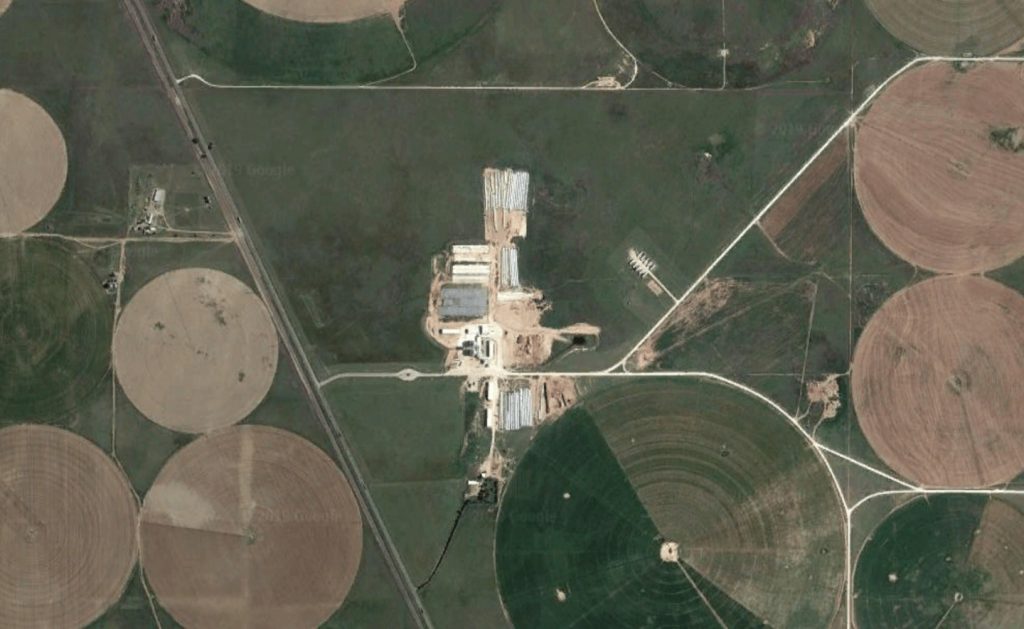
    The average size Organic Valley member farm has approximately 65-70 cows, according to an investigation conducted by the Cornucopia Institute at Natural Prairie Dairy in 2008. Satellite imagery indicated that unlike legitimate organic farms, that commonly have one cow per acre, Natural Prairie had as many as 7.2 cows per acre.

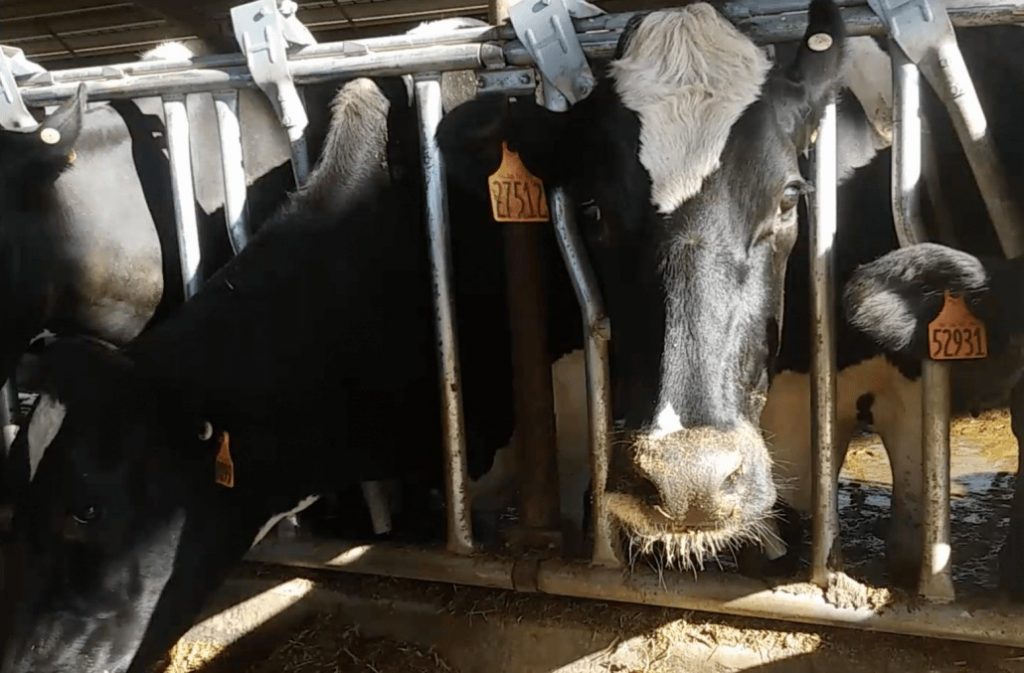
    Natural Prairie’s website states: “During the warmer months, we graze our cows on acres and acres of beautiful green pastures. When it gets cold, they stay in spacious, open-air, free-stall barns that protect them from the elements.” This could not be further from the truth. According to the ARM investigator, if a cow isn’t being milked, they spend their lives in illegally overcrowded barns where they are forced to lay on cement covered in feces. Many develop footrot and cannot walk.

    The farm’s gross violations of the USDA’s organic dairy certification guidelines is a crucial component of this investigation. According to the guidelines, continuous total confinement of any ruminant animal over six months of age indoors is strictly prohibited.

    Throughout his time on the farm, the ARM investigator found that Natural Prairie Dairy cows well enough and willing to graze only did so for about an hour a day during the grazing months. Many others never left the barn.
    Animal Recovery Mission

    Donald DeJong is the owner and CEO of Natural Prairie Dairy. Soon after ARM began this investigation, it also discovered that DeJong is the vice chairman of Select Milk Producers, and a Board of Directors member of Fairlife and he has strong personal and business associations with Mike McCloskey of Fair Oaks Farms and Fairlife.

    Natural Prairie Dairy currently supplies raw dairy to Kroger, Costco, and Publix through Aurora Organic Dairy’s bottling plant in Denver, Colorado. The company is in the process of expanding its operations with construction underway in Newton County, Indiana, that will supply dairy to Meijer Grocer, the Midwest, and East Coast.
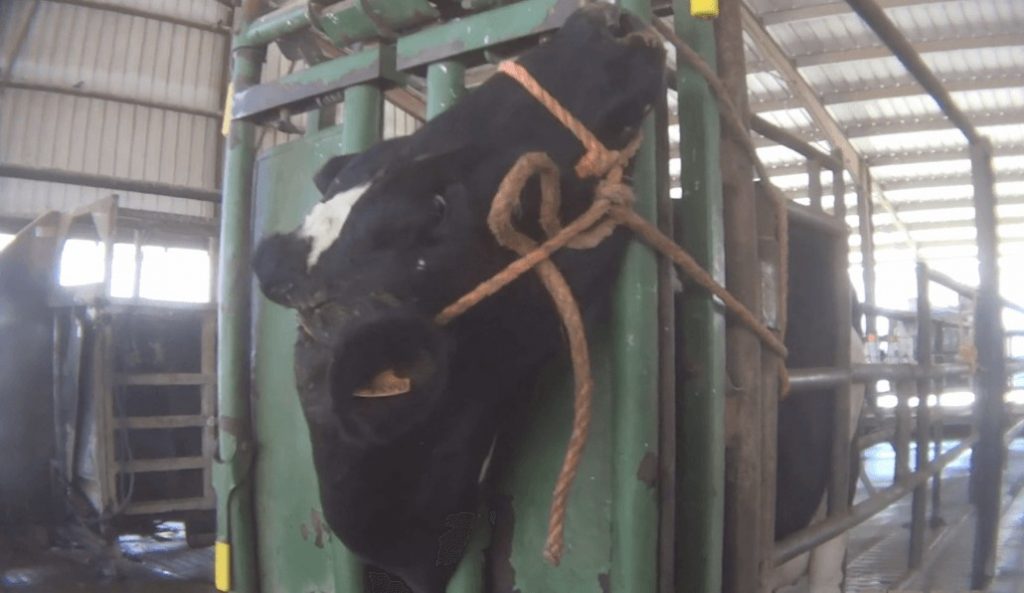
    The undercover investigator was fired after management found photos of animal abuse on his cell phone. They quickly deleted the photos – to no avail. ARM investigators submitted a substantial body of evidence to the Hartley County Sheriff’s Office for review.

    “Consumer power is the most effective vehicle towards creating change by raising awareness of these criminal findings,” ARM said in a statement. “Leave dairy products out of your cart.”


    Update: A previous version of this article incorrectly stated that Target sources milk from Natural Prairie Dairy. Target does not source any milk from Natural Prairie Farms or any dairy from Aurora Organic Dairy.
    Article written by Matthew Zampa originally published on July 26, 2019 at https://sentientmedia.org/cruelty-investigation-organic-dairy-farm/ https://www.high-endrolex.com/50
  • Animals on Factory Farms

    Animals on Factory Farms

    Chickens

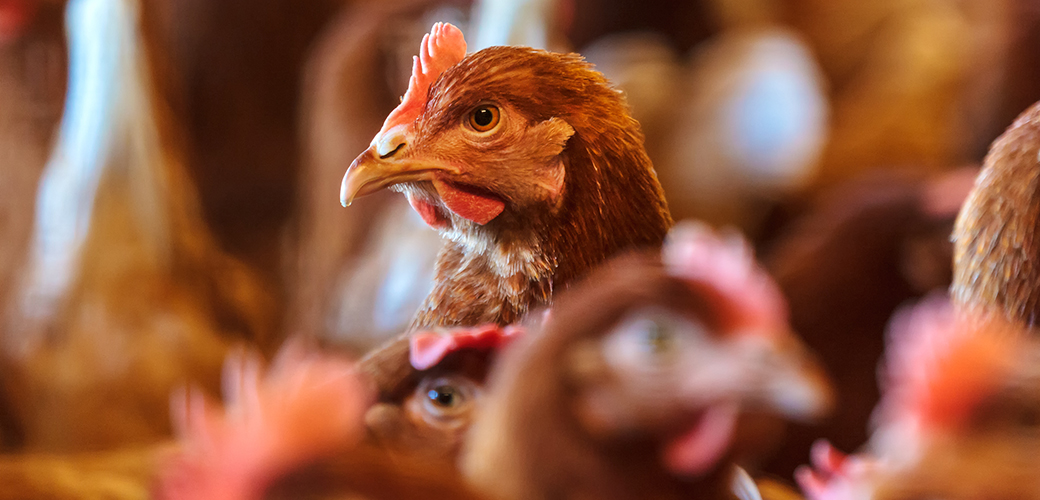
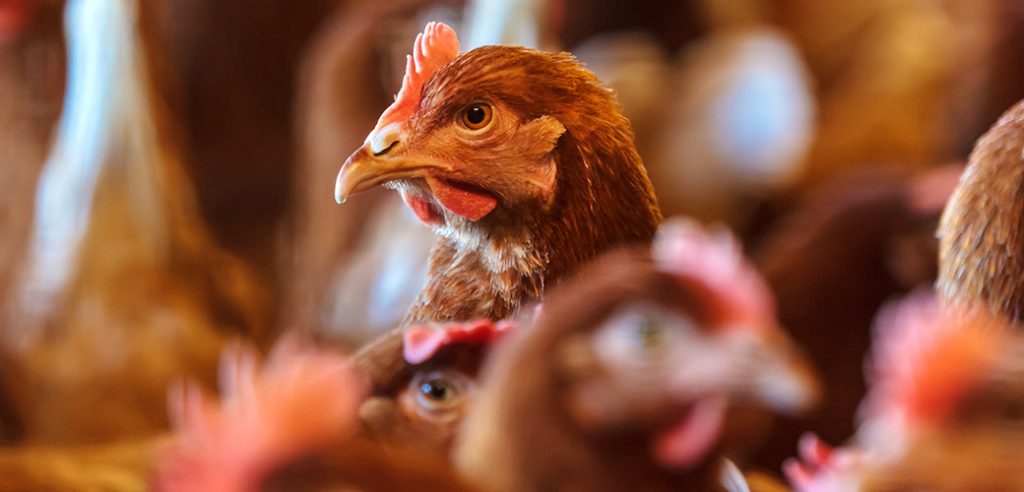
    The United States raises and slaughters almost 10 times more birds than any other type of animal. Approximately 9 billion chickens are killed for their meat every year, while another 300 million chickens are used in egg production. All birds—meat chickens, egg-laying hens, turkeys, ducks, geese and others—are excluded from all federal animal protection laws. By sheer number, these are the animals most urgently in need of protection. The ASPCA is working actively with companies that buy or raise chickens to encourage the adoption of higher-welfare practices.

    Many people do not realize that the breed of chicken used for modern egg production is different than the breed used for meat production. If you put them next to each other, they look almost nothing alike! Each has been selectively bred for hyper-production: egg-laying hens for high egg volume, and “meat” chickens for rapid growth and maximum breast meat yield. Both types suffer from physical problems brought on by genetic selection for these traits. Read our report [PDF] to learn more about the negative impacts of selective breeding in the chicken meat industry.

    Chickens Raised for Meat (“Broiler” Chickens)

    Nearly all meat chickens are raised indoors in large sheds containing 20,000 chickens (or more) crowded together on the shed floor. Due to the high concentration of birds living atop of their own waste without adequate ventilation, high ammonia levels develop—irritating eyes, throats and skin.

    Modern chickens look very little like their wild chicken ancestors. Thanks to selective breeding—combined with low-dose antibiotics, excessive feeding and inadequate exercise—most industrially raised meat chickens grow unnaturally quickly and disproportionately. While their breasts grow large to meet market demand, their skeletons and organs lag behind. Many suffer heart failure, trouble breathing, leg weakness and chronic pain. Some cannot support their own weight and become crippled, unable to reach food and water.

    To keep them eating and growing, industrial farms restrict chickens’ sleep by keeping the lights on almost all the time. As they grow, meat chickens become crowded together, competing for space. This constant interaction makes sleep even harder [PDF]. As chickens die, their bodies are sometimes left among the living, adding to the stress and unhygienic conditions.

    Quick Facts

    • In 1925, it took 16 weeks to raise a chicken to 2.5 pounds. Today, chickens weigh double that in just six weeks!
    • According to the University of Arkansas [PDF], if humans grew at a similar rate, a 6.6-pound newborn baby would weigh 660 pounds after two months.
    • Chickens experience REM sleep, which is associated with dreaming. Unfortunately, on factory farms, lights are kept on almost all day and night to encourage more eating (and growth), which means chickens are chronically sleep-deprived [PDF].

          Progress for Chickens

    • Consumers are getting savvy about misleading labels on chicken meat. Learn about various claims and certifications with our Chicken Label Guide.
    • Some companies are developing policies and making commitments to address the effects of fast growth rate. Check out all of the companies that worked with the ASPCA to commit to higher-welfare practices.
    • Many companies have already adopted certification programs that require adequate space, more natural lighting cycles and enrichment for birds. Learn about welfare-certified and plant-based chicken brands on our Shop With Your Heart brand list.

    Egg-Laying Hens

    The roughly 330 million egg-laying hens [PDF] in the U.S. are mostly raised in long, windowless sheds containing rows of stacked “battery cages.” Up to 10 hens are packed together in one wire cage roughly the size of a file drawer. The frustration of living in such unnatural conditions leads to abnormal pecking behavior and cannibalism. To “fix” this problem, the industry burns or cuts off a portion of hens’ sensitive beaks. With cages stacked and birds crowded together, workers may not be able to access or see all their birds, leaving sick or injured hens to suffer or die.

    Since eggs are laid only by females, what happens to the males? Half of the chicks hatched in this industry are male, but there’s no market for male chicks born with egg-layer genetics since they’re slow-growing and lanky, so they are killed at the hatchery.

    Hens whose egg production drops due to age are either killed on farm or sent to slaughter. Some farms will withhold proper nutrition for up to two weeks to shock the bird’s body into a molt to kickstart a final laying cycle.

    The ASPCA is working actively with companies that buy eggs or raise hens to encourage the adoption of higher-welfare practices.

    Quick Facts

    • Battery cages provide less floor space per bird than a regular 8½” x 11″ sheet of paper.
    • The European Union banned battery cages in 1999 (allowing a 12-year phase out period).

    Progress for Hens

    • Consumers are becoming savvy to misleading labels on eggs. Learn more about what various claims and certifications mean with our Egg Label Guide.
    • Some states are banning the use of battery cages and even the sale of eggs from caged hens. See where your state stands on confinement bans.
    • Hundreds of companies have set policies to go 100% cage-free [PDF].
    • Many companies have already adopted certification programs that ban cages, address de-beaking, and require more space, nest boxes, perches and other enrichments. Learn about welfare-certified and plant-based egg brands on our Shop With Your Heart brand list.
    factory farms pig

    Pigs

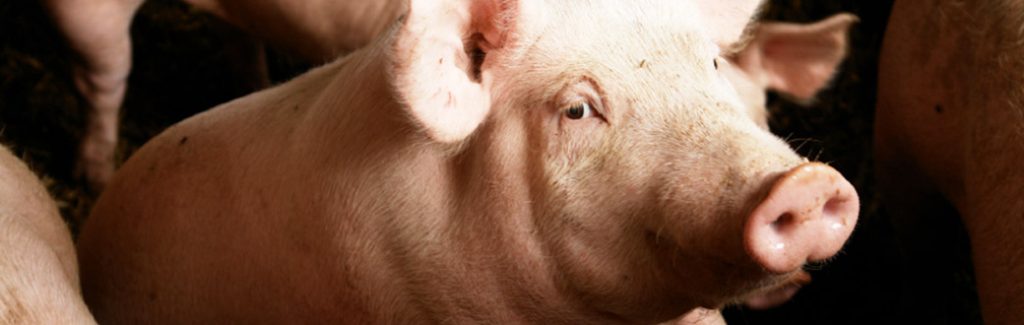
    The U.S. raises around 120 million pigs for food each year, the vast majority [PDF] of whom are raised in barren crates or pens at industrial-scale facilities without fresh air or sunlight. They live on hard, slatted floors that do not accommodate their natural urge to root. Ammonia fumes rise to dangerous, uncomfortable levels due to high concentrations of waste. The ASPCA is working actively with companies that buy pork or raise pigs to encourage the adoption of higher-welfare practices.

    Pigs tend to be curious and intelligent animals, so barren surroundings can cause frustration exhibited in abnormal behavior like tail-biting. To “fix” this, the industry has adopted a common practice of cutting off a portion of pigs’ tails and/or their teeth, without painkillers.

    Most female breeding pigs (sows) in the U.S. spend their reproductive lives confined to a gestation crate. These crates are barely bigger than the sow’s body and prohibit her from turning around. Sows are artificially inseminated and kept in their gestation stalls until a few days before delivering, at which time they are moved to equally restrictive farrowing crates to give birth. They remain there while nursing their young, and then are placed back in their gestation crates and re-inseminated. This cycle continues for several years, until the sows are no longer as productive and are sent to slaughter.

    Quick Facts

    • In natural environments, about 24 hours before giving birth pregnant pigs will leave their social group to collect branches and soft materials to build a nest. The mother will stay isolated in her nest with her newborns for the first week, which allows her to develop a strong bond with her piglets.
    • Both male and female pigs are raised for food.
    • Pigs are as smart as or smarter than most dogs. They are one of only a few species Americans consider suitable for both keeping as pets and raising for food.

    Progress for Pigs

    • Consumers are becoming savvy to misleading labels on pork. Learn more about what various claims and certifications mean with our Pork Label Guide.
    • Some states have banned the use of gestation crates and even banned the sale of pork from animals kept in cages, or those born to mothers kept in cages. See where your state stands on confinement bans.
    • Dozens of companies have explicitly banned gestation crates from their supply chains, and many companies are working with the ASPCA to adopt welfare certifications.
    • Many companies have already adopted certification programs that ban cages, address certain physical alternations, require more spacious and enriched group housing, and offer pigs adequate bedding and nesting materials. Learn about welfare-certified and plant-based pork brands on our Shop With Your Heart brand list.

    Cattle are raised and processed across several distinct industries with differing practices and welfare concerns. The ASPCA is working actively with companies that raise cattle or buy their products (beef, dairy or veal) to encourage the adoption of higher-welfare practices.

    Beef Cattle

    Cattle raised for beef are the only farm animals still raised largely outdoors. Sometime between the ages of six months and one year, most beef cattle are sent to live their last few months in feedlots with hundreds or thousands of others. Without vegetated pasture and often without shelter, the cattle may suffer from digestive distress from being fed corn and other foods not natural to ruminants, as well as from heat stress, muddy conditions and respiratory issues from dust.

    Routine practices that cause pain and distress for cattle include branding and castration. Beef cattle may also often endure several long transport events, which are stressful for animals and are inadequately regulated.

    Quick Facts

    • Studies show [PDF] that cattle are social animals with herd hierarchies and strong cow-calf bonds. They can also distinguish between individual humans—showing fear responses to those who have handled them roughly.
    • To increase their weight, beef cattle in feedlots are fed a corn and soy diet that is very hard on their bodies and can cause illnesses, including ulcers.
    • Virtually all beef cattle are “grass-fed” because they begin their lives on grass. “Grass-finished” distinguishes those cattle who spend their lives eating grasses and are never sent to a feedlot.

    Progress for Beef Cattle

    • Consumers are becoming savvy to misleading labels on beef. Learn more about what various claims and certifications mean with our Beef Label Guide.
    • Some companies are developing policies and making commitments to address cattle welfare. Check out all of the companies that worked with the ASPCA to commit to higher welfare practices.
    • Many companies have already adopted certification programs that ban feedlots or at least require improved feedlot conditions. Learn about welfare-certified and plant-based beef brands on our Shop With Your Heart brand list.

    Dairy Cows

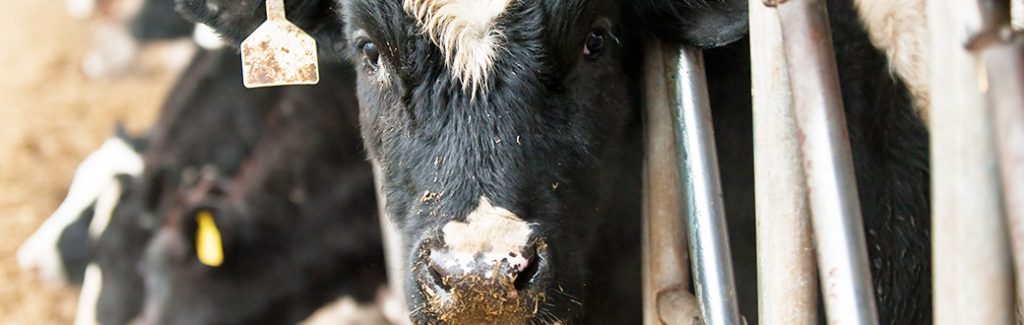
    Most cows used for dairy production are kept indoors, with some having access to outdoor concrete or dirt paddocks. Many are tethered by chains or other materials around their necks in what are called “tie stalls.” Unnaturally high milk production can lead to mastitis, a painful bacterial infection of a cow’s udder. Dairy cows often have up to two-thirds of their tails and their horns removed without painkillers.

    Just as with humans, cows only produce milk as a side effect of giving birth. To keep the milk flowing, dairy farms artificially inseminate cows once a year. Their gestation period lasts nine months, so the majority of most dairy cows’ lives are spent pregnant. When a calf is born, he or she is removed from the mother—generally that same day—to make the mother’s milk available for collection. This can be hugely traumatic to mother cows and to their calves. Male offspring are often raised for veal, while females become the next generation of dairy cows.

    While large-scale dairy operations are typically separate from beef cattle operations, these industries are connected. Dairy cows usually end up at beef slaughterhouses when, at two to five years of age, their milk production has slowed or they are too crippled or ill to continue in the industry. At that point, they are slaughtered for beef.

    Quick Facts

    • Today’s dairy cows produce between 50 and 100 pounds of milk per day, which is 10 times more than cows living just a few decades ago. This is due to bovine growth hormones, unnatural diets and selective breeding for increased milk production.
    • 75% of downed animals—animals who cannot stand and walk on their own—are dairy cows.
    • About 9 million cows [PDF] are being used for milk production in the U.S. at any given time.

    Progress for Dairy Cows

    • Consumers are becoming savvy to misleading labels on dairy. Learn more about what various claims and certifications mean with our Dairy Label Guide.
    • States including California, Ohio and Rhode Island have banned tail-docking of dairy cows, and we expect more to follow. The American Veterinary Medical Association and the Association of Bovine Practitioners both oppose tail-docking for lack of evidence that it provides benefits.
    • Some companies are developing policies and making commitments to address dairy cow welfare. Check out all of the companies that worked with the ASPCA to commit to higher-welfare practices.
    • Many companies have already adopted certification programs that ban tail-docking and tie stalls, require outdoor access, and provide guidance to reduce stress and pain from lameness and weaning. Learn about welfare-certified and plant-based dairy brands on our Shop With Your Heart brand list.

    Veal Calves

    Veal is the meat of young cattle who are usually born to dairy cows. As males, veal calves are of little use to the dairy industry, and as a dairy breed, they are inefficient beef-producers.

    Traditional veal meat was made pale and tender by restricting calves’ diets and keeping them in stalls so small they could barely move. Increasingly, calves are housed in groups beginning at about six weeks old, but they still lack sufficient space, enrichment, outdoor exercise, solid food and the fulfillment of a basic instinct to suckle.

    Quick Facts

    • The veal industry would not exist without the dairy industry. On industrial farms, calves are generally taken from their dairy-cow mothers within a day of birth to be raised for meat.
    • Veal calves’ diets and movements are tightly restricted to keep their muscles from developing, which makes the resulting meat tender. 

    Progress for Veal Calves

    • The use of veal crates has dramatically declined since the American Veterinary Medical Association said that calves should be able to turn around and the veal industry’s trade group recommended “that the entire veal industry convert to the group housing methodology.”

    Turkeys

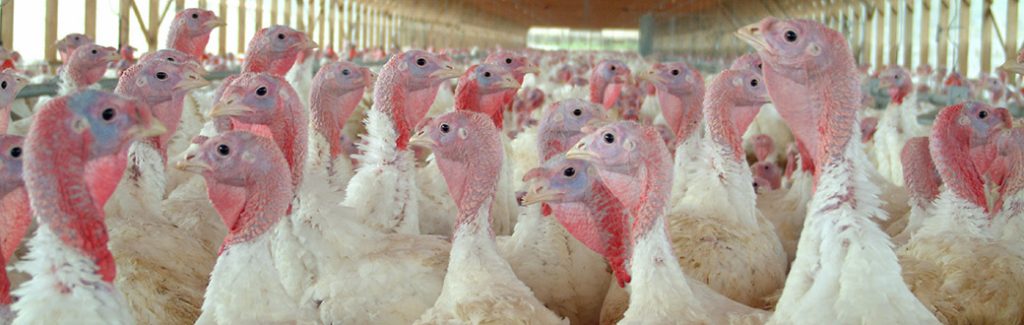
    Approximately 240 million turkeys [PDF] are raised for meat in the U.S. annually. Like chickens, turkeys suffer from growth-related lameness and are housed in groups on the floors of long sheds where they are denied fresh air, sunshine and pasture. Turkeys also develop abnormal behaviors in these environments, which can result in cannibalism. The ASPCA is working actively with companies that raise turkeys or buy turkey to encourage the adoption of higher-welfare practices.


    Modern, industrially raised turkeys look very little like their wild ancestors. For one, they are disproportionately breast-heavy (a result of genetic selection), reflecting a consumer preference for breast meat. Their unnaturally fast and disproportionate growth causes painful physical ailments and difficulty walking or even breathing.

    Turkeys have become so unnaturally disproportionate that they can no longer mate with one another. Their bodies, which were only meant to reproduce once per year, are further damaged by year-round artificial insemination.

    Quick Facts

    • Between 1930 and 2017, the weight of the average turkey raised for food in the U.S. more than doubled from 13 to 30 pounds.
    • Turkeys have the innate urge to perch and fly, but the selectively bred turkeys on factory farms are too large to do so.

    Progress for Turkeys

    • Consumers are becoming savvy to misleading labels on turkey. Learn more about what various claims and certifications mean with our Turkey Label Guide.
    • Some companies are working with the ASPCA to adopt welfare certifications.
    • Many turkey companies have already adopted certification programs that address certain physical alterations as well as the effects of fast growth, and require space, better lighting and enrichment. Learn about welfare-certified and plant-based turkey brands on our Shop With Your Heart brand list.


    Aquaculture

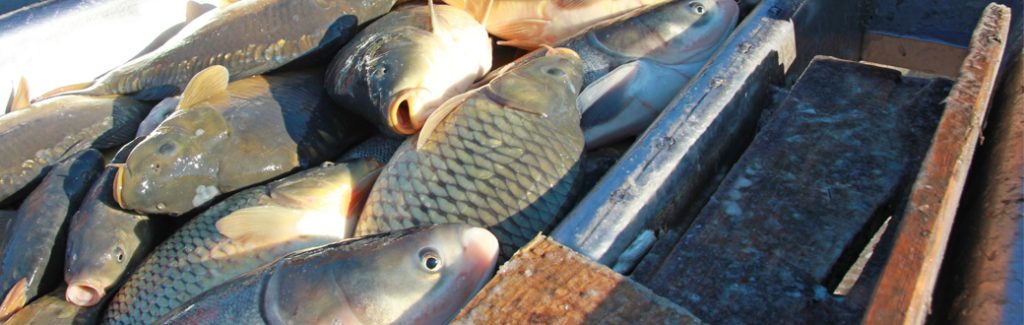
    There is a common misconception that fish and other aquatic vertebrates do not feel pain; however, studies demonstrate that they are sentient and capable of both fear and suffering [PDF]. Aquaculture—the farming of fish and other aquatic species—is one of the fastest-growing areas of food production, surpassing global beef production. About half of all consumed fish—namely salmon, tuna, cod, trout and halibut—are raised in artificial environments, as opposed to being wild-caught, creating a number of welfare concerns.

    As on industrial land-based farms, farmed fish are often housed in overcrowded conditions ripe for injury, disease transfer and stress. Industrial fisheries are reliant on antibiotics to treat the parasites and diseases promoted by these unnatural conditions.

    As there are no regulations around the humane treatment of fish, they most often are not stunned before slaughter, meaning that they are fully conscious. They are killed by bleeding out, blunt force, suffocation or freezing.

    Quick Facts

    • Studies repeatedly show that fish behavior, cognition and pain perception match or exceed other vertebrates.
    • Most farmed fish are carnivores and depend on smaller, wild-caught fish for feed. It can take up to four pounds of feeder fish to produce one pound of farmed salmon or other carnivorous fish, meaning that there’s a net protein loss in fish farming.
    • The U.S. exports about 70% of the fish we raise and imports cheaper seafood products for U.S. consumption.

          Progress for Fish

    • There is increasing awareness of and concern about the treatment of fish resulting from recent investigations and media reports.
    • While there are currently no animal welfare certifications that extend to fish and other aquatic species, the ASPCA is encouraging welfare certification programs to develop these standards. In the meantime, plant-based seafood alternatives are increasingly available and can be found on the Shop With Your Heart brand list.

    Article originally published on https://www.aspca.org/animal-cruelty/farm-animal-welfare/animals-factory-farms